Tech
My watch throws 15 numbers: which ones matter
Cadence, HR, VO2max, training load… My Forerunner 255 drowns me in data. The 3 that actually matter when you start, and the myth to forget.
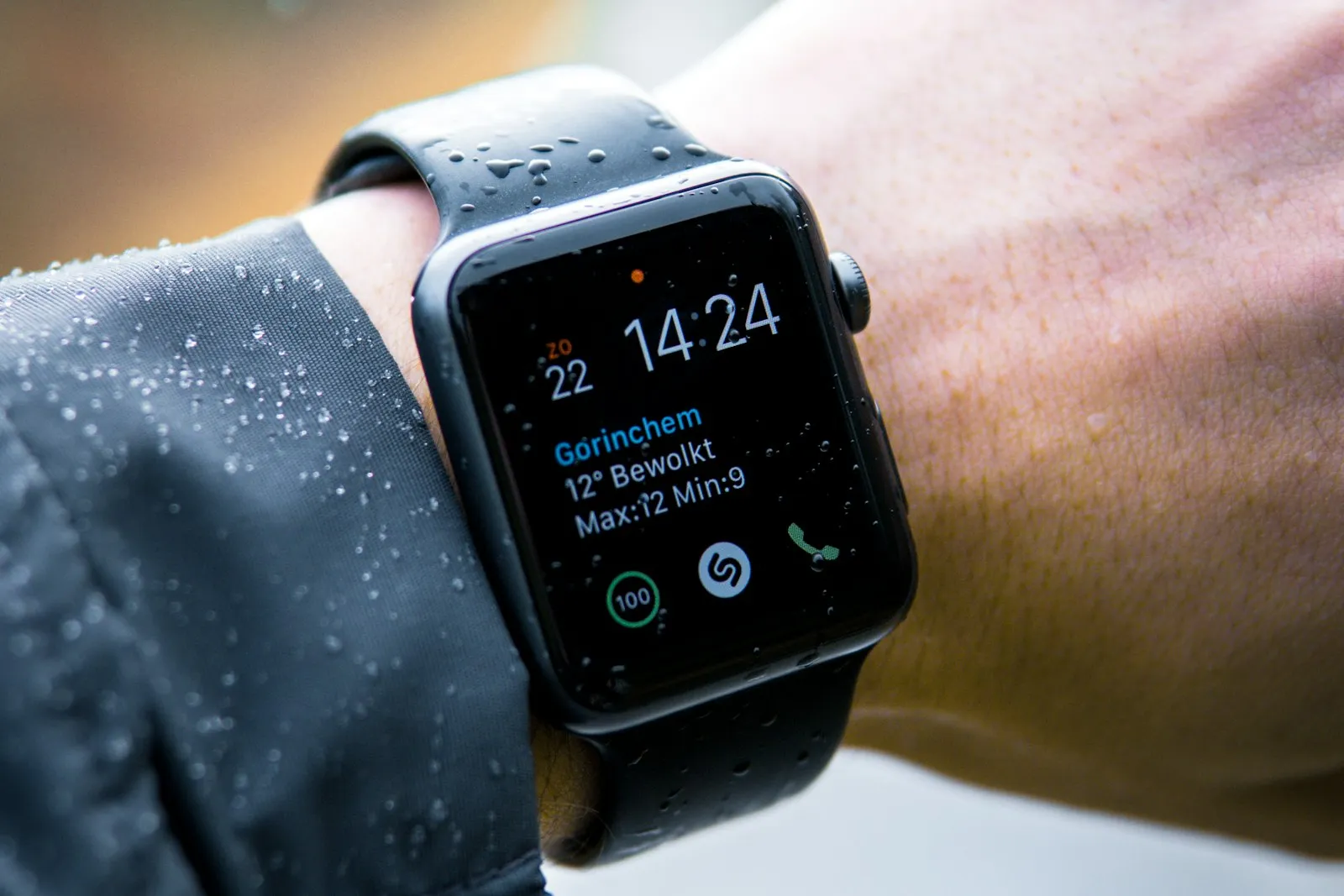
When I got into running, I did what I always do: I geared up before even knowing whether I’d enjoy it (yes, again). The result: I ended up with a GPS watch that, on every run, spits out about fifteen numbers at me, pace, cadence, heart rate, estimated VO2max, training load, recovery time, “efficiency”… At first, I looked at everything. And I understood nothing.
After a few months, I sorted it out. Here’s what’s actually worth your attention when you’re starting, and what you can ignore.
The myth to forget: 180 steps per minute
This is THE metric everyone panics about: cadence. And the famous “you must run at 180 steps per minute” is everywhere. Except that number is taken out of context. It comes from a famous coach who, at the 1984 Olympics, counted the strides of elite runners mid-race at high speed. Turning that into a universal rule for a beginner jogging along is a misreading.
In reality, most recreational runners sit between 150 and 170 steps/min in easy running, and that’s perfectly normal. Cadence rises naturally with pace. Trying to force 180 at an easy effort is the best way to run tense and hurt your running economy.
The only case where it’s worth working on cadence: if you take big strides that land way out in front of you (the classic overstriding). There, slightly increasing cadence, +5% max, gradually, can help. Otherwise, let it go.
The 3 numbers that actually matter
1. Heart rate (to manage effort)
By far the most useful. HR tells you one simple thing: are you running too fast? And for a beginner, the answer is almost always “yes”. The classic mistake (mine too) is running every session too hard. Find your “easy” zone, the one where you can still hold a conversation, and spend most of your time there. Your progress will come from that, not from the sprints.
2. Cadence (just to monitor, not to stress)
Keep an eye on it to spot overstriding, that’s it. As long as you’re in a reasonable range for your pace, you’re fine.
3. Consistency (the only one that makes you progress)
No watch will tell you this head-on, but the most important metric is the number of sessions you tick off week after week. Training load and estimated VO2max are nice to look at, but they don’t replace consistency. Three easy runs a week beat one heroic session followed by ten days on the couch.
The watch I use
For the record, all of this runs on my Forerunner 255, which I already mentioned in my half-marathon recap. It does the job just fine for starting out (and well beyond).
The verdict
A GPS watch is a great tool, as long as you don’t let yourself get hypnotised by the dashboard. Watch your heart rate so you don’t start too fast, glance at your cadence now and then, and focus on the one real indicator of progress: are you going back out. The rest is bonus material for the evenings when you feel like playing scientist.